
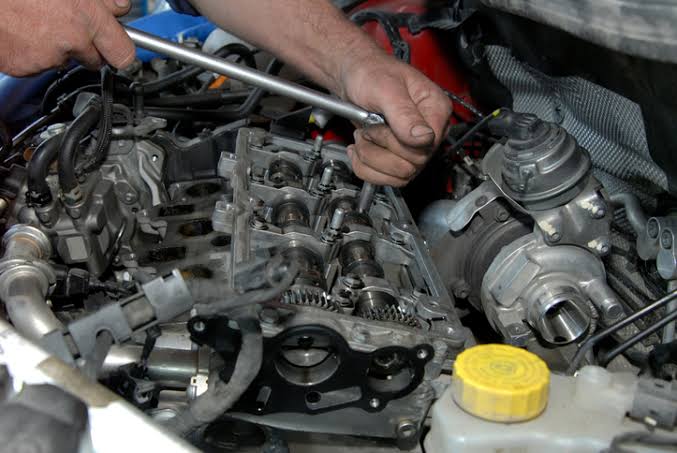
Your vehicle’s transmission is one of its most important and complex components. It is responsible for transferring power from the engine to the wheels and ensuring smooth gear changes while driving. When transmission problems occur, many vehicle owners immediately worry about expensive repairs or complete replacement. However, not every transmission issue requires replacing the entire system.
Understanding common transmission problems and knowing when repair is a better option than replacement can help you make informed decisions and potentially save thousands of dollars.
Is it worth fixing a transmission can be worthwhile depending on repair costs, vehicle value, and the overall condition of the car.
Understanding How a Transmission Works
The transmission controls how power from the engine reaches the wheels. By changing gear ratios, it allows the vehicle to accelerate, maintain speed, and operate efficiently under different driving conditions.
Most vehicles use one of the following types of transmissions:
- Automatic transmission
- Manual transmission
- Continuously Variable Transmission (CVT)
- Dual-clutch transmission
Each system contains numerous moving parts that work together to ensure smooth operation.
Common Transmission Problems
Like any mechanical system, transmissions experience wear and tear over time. Identifying problems early can prevent more severe damage and reduce repair costs.
1. Transmission Fluid Leaks
One of the most common transmission issues is leaking fluid.
Signs of a transmission leak include:
- Red or dark fluid under the vehicle
- Difficulty shifting gears
- Burning smell
- Delayed acceleration
Transmission fluid lubricates and cools internal components. Low fluid levels can quickly lead to significant damage if not addressed.
2. Delayed Gear Engagement
If your vehicle hesitates before moving into drive or reverse, there may be problems with:
- Low fluid levels
- Worn seals
- Internal components
- Electronic controls
This issue should be inspected promptly to avoid additional damage.
3. Slipping Gears
A slipping transmission may suddenly change gears or struggle to remain in gear.
Common causes include:
- Worn clutch components
- Low fluid pressure
- Damaged bands
- Internal wear
Ignoring gear slipping can lead to complete transmission failure.
4. Unusual Noises
Grinding, humming, whining, or clunking noises often indicate internal transmission problems.
The source may involve:
- Bearings
- Gears
- Torque converter components
- Low transmission fluid
Unusual sounds should never be ignored.
5. Burning Odors
Overheated transmission fluid often creates a burning smell.
Possible causes include:
- Low fluid levels
- Contaminated fluid
- Excessive towing
- Internal damage
Overheating can significantly shorten the lifespan of a transmission.
6. Warning Lights
Modern vehicles contain sophisticated monitoring systems that detect transmission problems.
Dashboard warning lights may indicate:
- Sensor failures
- Fluid pressure issues
- Electronic malfunctions
- Mechanical problems
Professional diagnostics are usually required to identify the exact issue.
7. Hard or Rough Shifting
If the vehicle shifts aggressively or jerks between gears, the transmission may have:
- Computer issues
- Solenoid failures
- Internal wear
- Fluid problems
Prompt repairs can often prevent further damage.
What Causes Transmission Failure?
Several factors contribute to transmission problems.
Lack of Maintenance
Neglecting routine maintenance is one of the leading causes of transmission failure.
Overheating
Heat is extremely damaging to transmission components and fluid.
Low Fluid Levels
Insufficient fluid reduces lubrication and increases friction.
Aggressive Driving
Rapid acceleration and heavy towing place additional stress on the transmission.
Age and Mileage
Like all vehicle components, transmissions naturally wear out over time.
Understanding these causes can help prevent future problems.
When Is Transmission Repair the Better Choice?
Not all transmission issues require complete replacement. In many cases, repairs can restore proper function and save money.
Minor Leaks
Replacing seals or gaskets is usually far less expensive than replacing the transmission.
Sensor or Solenoid Problems
Modern transmissions rely heavily on electronics. Replacing a faulty sensor or solenoid can often resolve shifting problems.
Fluid-Related Issues
Dirty or low transmission fluid can sometimes be corrected with maintenance services.
Limited Internal Damage
If only a few components are worn or damaged, a repair or rebuild may be sufficient.
Newer Vehicles
Repairing a transmission often makes sense if the vehicle:
- Has low mileage
- Is otherwise in good condition
- Has significant remaining value
When Replacement May Be Necessary
There are situations where replacement becomes the more practical option.
Severe Internal Damage
Extensive gear or component failure may make repair impractical.
Multiple Failures
If several major components have failed, replacement may be more cost-effective.
High Mileage Vehicles
Older vehicles with numerous mechanical issues may not justify expensive repairs.
Repeated Transmission Problems
A transmission that has experienced multiple failures may be nearing the end of its service life.
An experienced technician can help determine the most economical solution.
Transmission Repair vs. Transmission Rebuild
Many people confuse repairs and rebuilds.
Repair
A repair addresses a specific issue, such as:
- Replacing a seal
- Fixing a leak
- Installing a new sensor
Rebuild
A rebuild involves:
- Removing the transmission
- Inspecting internal components
- Replacing damaged parts
- Reassembling the unit
A rebuild often costs less than full replacement while restoring reliable operation.
Factors to Consider Before Deciding
Several factors should influence your decision.
Vehicle Value
Compare repair costs to the current value of the vehicle.
Overall Condition
Consider the condition of:
- Engine
- Suspension
- Brakes
- Electrical systems
Future Reliability
Ask how long the repaired transmission is expected to last.
Budget
Evaluate whether repair or replacement best fits your financial situation.
Making an informed decision can prevent unnecessary expenses.
The Importance of Professional Diagnostics
Transmission symptoms can be misleading. What appears to be a major failure may actually involve a relatively simple repair.
Professional diagnostics can identify:
- The exact problem
- Repair options
- Estimated costs
- Long-term expectations
Obtaining an accurate diagnosis is essential before approving major repairs.
How to Extend Transmission Life
Preventive maintenance can significantly reduce the risk of transmission failure.
Change Transmission Fluid Regularly
Fresh fluid protects internal components and prevents overheating.
Avoid Overloading
Excessive towing and heavy loads increase transmission stress.
Drive Smoothly
Gentle acceleration and braking reduce wear.
Address Problems Quickly
Early repairs are usually less expensive and more effective.
Schedule Regular Inspections
Routine inspections can identify issues before they become serious.
Good maintenance habits can add years to your transmission’s lifespan.
Final Thoughts
Transmission problems can be intimidating, but not every issue requires complete replacement. Many common transmission problems, such as leaks, sensor failures, and minor internal damage, can often be repaired effectively and affordably.
The decision between repair and replacement depends on several factors, including the severity of the damage, the age of the vehicle, repair costs, and the overall condition of the car.
By recognizing warning signs early, seeking professional diagnostics, and following proper maintenance practices, vehicle owners can make informed decisions and avoid unnecessary expenses. In many cases, choosing repair over replacement can restore reliable performance and extend the life of your vehicle for years to come.