
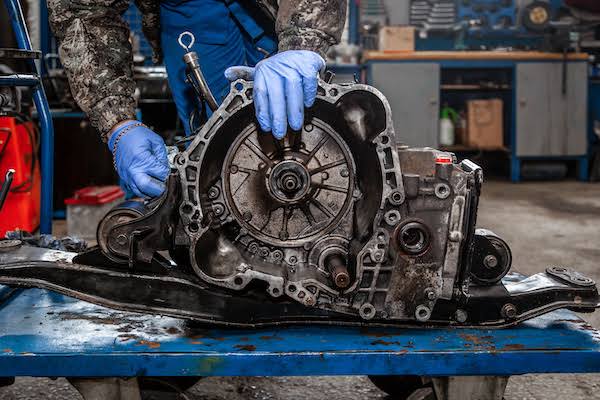
Few vehicle problems create more stress than transmission trouble. When your car begins slipping gears, leaking fluid, or refusing to shift properly, you may face an important decision: should you repair the transmission or replace it entirely? Because transmission work can be expensive, understanding your options is essential before making a financial commitment.
The right decision depends on several factors, including the age of your vehicle, the severity of the damage, repair costs, and your long-term plans for the car. By carefully evaluating these factors, you can make a choice that protects both your vehicle and your budget.
Pro-Tech Transmissions delivers expert transmission repairs, rebuilds, diagnostics, and dependable service for Glendale drivers seeking trusted automotive solutions and value.
Why the Transmission Is So Important
The transmission is responsible for transferring power from the engine to the wheels. It allows your vehicle to shift gears and operate efficiently under different driving conditions.
A properly functioning transmission provides:
- Smooth acceleration
- Better fuel economy
- Reliable performance
- Reduced engine strain
- Safe and comfortable driving
Without a healthy transmission, your vehicle’s overall performance can quickly decline.
Common Signs of Transmission Problems
Recognizing transmission issues early can often reduce repair costs and prevent complete failure.
Delayed Shifting
If your vehicle hesitates before moving into gear, there may be internal wear or low fluid levels.
Slipping Gears
A slipping transmission may unexpectedly change gears or struggle to maintain power.
Strange Noises
Grinding, whining, and clunking sounds often indicate mechanical problems.
Fluid Leaks
Transmission fluid leaks can quickly lead to overheating and severe internal damage.
Burning Smell
Overheated fluid often produces a strong burning odor.
Dashboard Warning Lights
Modern vehicles frequently display warning indicators when transmission problems develop.
Ignoring these warning signs can result in much more expensive repairs later.
Understanding Transmission Repair
Transmission repair involves fixing specific components that are causing problems.
Common repairs include:
- Replacing seals
- Repairing leaks
- Installing new sensors
- Replacing solenoids
- Fixing electrical issues
Minor repairs are often relatively affordable and can restore proper transmission performance.
Advantages of Repairing
- Lower cost than replacement
- Faster turnaround time
- Less invasive work
- Extends transmission life
Repairs are often the best option when problems are caught early.
Understanding Transmission Rebuilds
A rebuild falls between repair and replacement.
During a rebuild, technicians:
- Remove the transmission
- Inspect internal components
- Replace damaged parts
- Reassemble the transmission
Rebuilds are often recommended when several internal components are worn but the transmission housing remains in good condition.
Advantages of Rebuilding
- Lower cost than full replacement
- Restores performance
- Replaces worn components
- Extends transmission lifespan
A rebuild can be an excellent option for many vehicles.
Understanding Transmission Replacement
Replacement involves installing an entirely new or remanufactured transmission.
Replacement may be necessary when:
- Severe internal damage exists
- Multiple components have failed
- The transmission has experienced repeated failures
- Rebuilding is not cost-effective
Advantages of Replacement
- Provides a fresh start
- May include warranty protection
- Often improves long-term reliability
However, replacement is typically the most expensive option.
Factors to Consider Before Making a Decision
There is no one-size-fits-all answer when deciding whether to repair or replace a transmission.
Vehicle Age
A newer vehicle often justifies major repairs because it still has many years of service remaining.
Older vehicles with high mileage may not be worth extensive repairs.
Overall Condition of the Vehicle
Consider the condition of:
- Engine
- Suspension
- Brakes
- Electrical systems
- Body and frame
If multiple major problems exist, replacing the vehicle may be more practical.
Vehicle Value
Compare the repair estimate to the current value of the car.
If repairs exceed the vehicle’s worth, replacement may not make financial sense.
Future Reliability
Ask whether the repair or replacement is expected to provide many additional years of dependable service.
Long-term value should always be part of the decision-making process.
When Repairing Makes Sense
Transmission repair is often the better choice when:
- The vehicle has low mileage.
- The car is paid off.
- The vehicle is otherwise in good condition.
- The repair is relatively minor.
- Replacement vehicles are expensive.
Many vehicle owners choose repair because it is significantly cheaper than purchasing another vehicle.
When Replacement Makes Sense
Transmission replacement may be the better option when:
- The transmission has catastrophic internal damage.
- Multiple major components have failed.
- Previous repairs have been unsuccessful.
- The vehicle is relatively new and valuable.
Although replacement costs more initially, it may provide greater long-term reliability.
The Cost of Doing Nothing
Ignoring transmission problems rarely saves money.
Small issues often become larger problems over time.
For example:
- A minor leak can lead to overheating.
- Dirty fluid can damage internal components.
- Delayed shifting can worsen mechanical wear.
Prompt repairs often prevent expensive replacements.
The Importance of Professional Diagnosis
Transmission symptoms can sometimes be misleading.
Problems that appear severe may actually involve:
- Sensors
- Electrical systems
- Fluid issues
- Computer controls
Professional diagnostics help determine:
- The exact cause of the problem
- Available repair options
- Estimated costs
- Long-term expectations
Accurate information is essential before making any major financial decision.
How to Extend Transmission Life
Proper maintenance can significantly reduce the likelihood of major repairs.
Change Transmission Fluid Regularly
Fresh fluid protects internal components and reduces heat.
Avoid Aggressive Driving
Rapid acceleration places unnecessary stress on the transmission.
Address Warning Signs Quickly
Early intervention often prevents extensive damage.
Avoid Overloading
Heavy towing and excessive loads can accelerate wear.
Follow Manufacturer Recommendations
Routine maintenance schedules are designed to maximize transmission lifespan.
Good maintenance habits often save thousands of dollars over the life of a vehicle.
Questions to Ask Before Approving Repairs
Before making a final decision, consider asking:
- What exactly is wrong with the transmission?
- Are repair and rebuild options available?
- What warranty is included?
- How long should the repair last?
- What is the current value of the vehicle?
These questions can help you feel more confident in your decision.
Final Thoughts
Deciding whether to repair or replace a transmission is rarely easy. The right choice depends on your vehicle’s age, condition, repair costs, and long-term reliability.
In many situations, repairing or rebuilding the transmission can provide excellent value and extend the life of your vehicle. In other cases, complete replacement may offer the best long-term solution.
The key is obtaining an accurate diagnosis, carefully comparing your options, and considering both immediate costs and future benefits. With the right information and professional guidance, you can make a decision that keeps your vehicle reliable and your finances under control.