
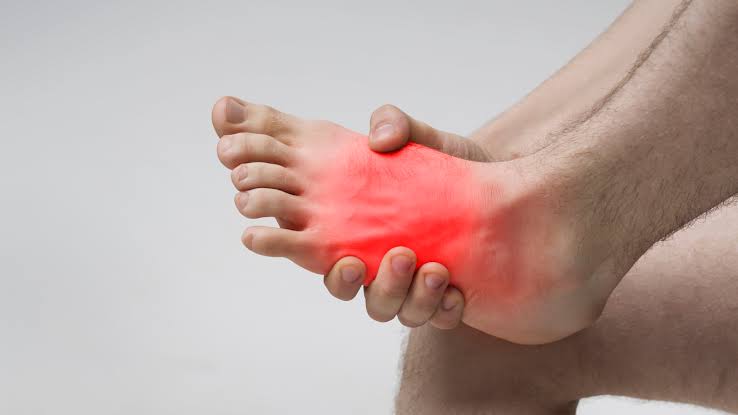
Foot pain is one of the most common physical complaints affecting people of all ages. From busy professionals and athletes to older adults and individuals who spend long hours standing, millions of people experience discomfort in their feet every day. Because our feet support the entire weight of the body and play a vital role in movement, even minor foot problems can significantly impact daily life.
The Pleasant Mind approach to health emphasizes the importance of understanding both physical and mental well-being when managing pain. By addressing foot pain with a comprehensive strategy that includes proper care, healthy habits, and stress management, individuals can improve mobility and enjoy a better quality of life.
The Pleasant Mind foot pain resources offer information and guidance for understanding causes, symptoms, and effective pain management strategies.
Why Foot Health Matters
The human foot is an incredible structure consisting of:
- 26 bones
- 33 joints
- More than 100 muscles, ligaments, and tendons
Together, these components allow us to walk, run, jump, and maintain balance.
When foot pain develops, it can affect more than just mobility. Ongoing discomfort may lead to:
- Reduced physical activity
- Poor posture
- Knee and back pain
- Emotional stress
- Difficulty performing everyday tasks
Taking foot pain seriously is essential for maintaining overall health and well-being.
Common Causes of Foot Pain
Understanding the cause of foot pain is the first step toward effective treatment.
Plantar Fasciitis
One of the most common causes of heel pain is plantar fasciitis, which occurs when the tissue connecting the heel to the toes becomes inflamed.
Symptoms often include:
- Sharp heel pain
- Pain during the first steps in the morning
- Discomfort after long periods of standing
Flat Feet
People with flat feet may experience pain because their arches do not provide adequate support.
Common symptoms include:
- Foot fatigue
- Heel pain
- Swelling
- Leg discomfort
Arthritis
Arthritis can affect the joints in the feet and cause:
- Stiffness
- Swelling
- Pain during movement
- Reduced mobility
Bunions
A bunion is a bony bump that develops near the base of the big toe and can cause significant discomfort.
Stress Fractures
Small cracks in the bones of the feet often occur due to repetitive activities or overuse.
Tendon Injuries
Inflammation or damage to the tendons can cause pain and limit movement.
How Foot Pain Affects Daily Life
Foot pain may seem like a minor problem at first, but it can quickly interfere with everyday activities.
People with foot pain often experience difficulty:
- Walking long distances
- Exercising
- Standing for extended periods
- Participating in hobbies
- Performing work-related tasks
Persistent discomfort can also affect mood and emotional health, leading to frustration and reduced quality of life.
The Pleasant Mind Approach to Foot Pain
The Pleasant Mind philosophy recognizes the connection between physical health and mental well-being.
Managing foot pain effectively often requires attention to both physical symptoms and emotional responses.
A comprehensive approach may include:
- Identifying the underlying cause
- Managing stress
- Developing healthy habits
- Staying physically active
- Seeking appropriate treatment
Addressing both the body and the mind can improve recovery outcomes and overall wellness.
The Importance of Proper Footwear
One of the simplest ways to prevent and manage foot pain is by wearing supportive footwear.
Good shoes should provide:
- Proper arch support
- Cushioning
- Stability
- Adequate toe space
Poorly fitting shoes can contribute to many common foot problems.
High heels, worn-out sneakers, and shoes without support often place excessive stress on the feet and increase the risk of pain.
Stretching and Exercise
Regular stretching and strengthening exercises can improve foot health and reduce discomfort.
Helpful exercises may include:
Calf Stretches
Stretching the calf muscles can reduce tension and improve flexibility.
Toe Exercises
Simple toe movements can strengthen the muscles in the feet.
Foot Rolling
Rolling the foot over a tennis ball may help relieve tension and improve circulation.
Ankle Exercises
Gentle ankle movements improve stability and support proper movement.
Exercise should always be performed carefully, especially if pain is severe.
Maintaining a Healthy Weight
Excess body weight places additional pressure on the feet.
Even a modest reduction in weight can:
- Reduce foot pain
- Improve mobility
- Lower the risk of future injuries
- Decrease stress on joints
Maintaining a healthy weight is one of the most effective long-term strategies for protecting foot health.
Managing Stress and Emotional Well-Being
The Pleasant Mind approach recognizes that chronic pain can affect emotional health.
Persistent foot pain may contribute to:
- Anxiety
- Frustration
- Sleep disturbances
- Reduced motivation
Stress can also increase the body’s sensitivity to pain.
Helpful stress-management techniques include:
- Meditation
- Deep breathing exercises
- Mindfulness practices
- Gentle yoga
- Relaxation techniques
Supporting emotional well-being can play an important role in pain management.
Home Remedies for Foot Pain
Several simple self-care measures may provide relief.
Rest
Giving the feet time to recover can reduce inflammation and discomfort.
Ice Therapy
Applying ice may help reduce swelling and relieve pain.
Elevation
Elevating the feet can improve circulation and reduce inflammation.
Massage
Gentle foot massage may help relax muscles and improve blood flow.
These methods can often provide temporary relief while the underlying cause is addressed.
When to Seek Professional Help
While many cases of foot pain improve with self-care, some symptoms require medical evaluation.
Seek professional advice if you experience:
- Severe pain
- Swelling that does not improve
- Difficulty walking
- Numbness or tingling
- Symptoms lasting several weeks
- Signs of infection
Early treatment often prevents complications and supports faster recovery.
Preventing Future Foot Problems
Preventive care is essential for long-term foot health.
Helpful prevention strategies include:
- Wearing supportive shoes
- Stretching regularly
- Maintaining a healthy weight
- Staying physically active
- Replacing worn footwear
- Taking breaks from prolonged standing
- Addressing minor problems early
Simple lifestyle changes can significantly reduce the risk of future discomfort.
The Mind-Body Connection
The Pleasant Mind philosophy emphasizes that physical health and emotional well-being are closely connected.
Living with chronic foot pain can affect mood, confidence, and overall quality of life. Likewise, stress and emotional challenges can influence how pain is experienced.
A balanced approach that addresses both physical and mental health can lead to better outcomes and a more positive recovery experience.
Conclusion
Foot pain is a common condition that can affect mobility, comfort, and overall well-being. Whether caused by plantar fasciitis, arthritis, improper footwear, or overuse, understanding the underlying cause is essential for effective treatment.
The Pleasant Mind approach to foot pain encourages individuals to consider both physical and emotional health when managing discomfort. Through proper footwear, exercise, healthy lifestyle habits, and stress management techniques, many people can successfully reduce pain and improve their quality of life.
By taking care of your feet and supporting your overall well-being, you can stay active, maintain mobility, and enjoy a healthier, more comfortable future.